


A classroom of young students learns how to recognize a phishing scam. Fourth and fifth graders turn Halloween artwork into binary code. High school students work together to build robotic cars. And kindergarteners take their first steps toward becoming computer programmers. These moments may look different, but they share something important: students are discovering what they can do with computer science. Four SkoCode educators across New Mexico, Arizona, and South Dakota offer a glimpse of the opportunities taking shape in their classrooms. With three new partner schools joining the network and a fourth building on its second year, these educators are bringing hands-on computer science and AI learning to Indigenous students, helping them develop new skills, explore their creativity, and imagine new possibilities for their futures.
Mesa Elementary - Learning to Stay Safe Online
At Mesa Elementary in Shiprock, New Mexico, a new SkoCode partner school, Cilla Nakai co-teaches with Albertina Thomas, reaching students in kindergarten through sixth grade. Students explored phishing: how to spot suspicious emails or text messages, what to do when something seems wrong, and how to protect personal information. After discussing the warning signs, students examined sample messages and decided which were legitimate and which might be scams. The lesson made digital citizenship immediately relevant: recognizing a phishing attempt is more than a computer science skill. It can help children make safer decisions in their everyday digital lives.
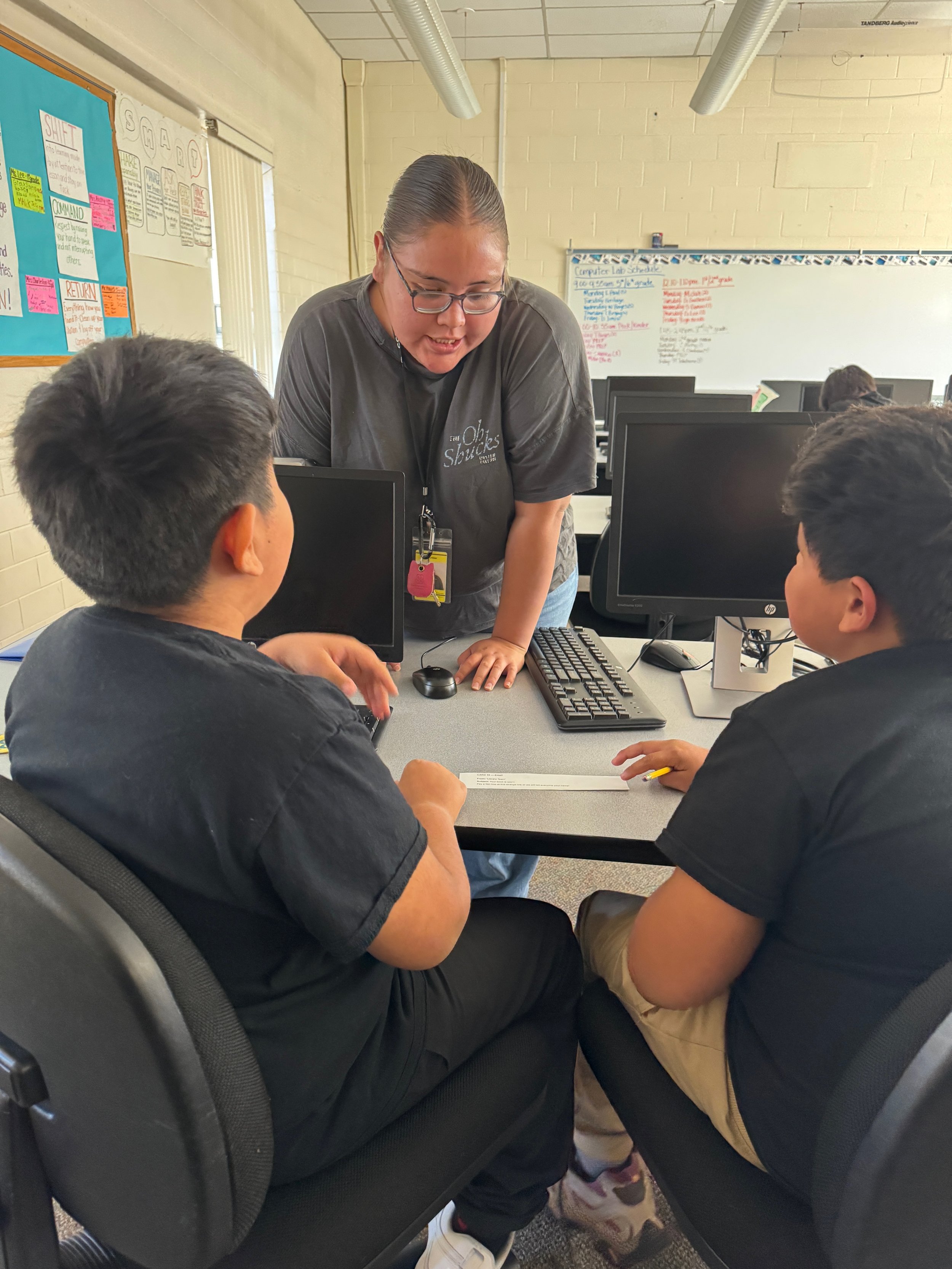
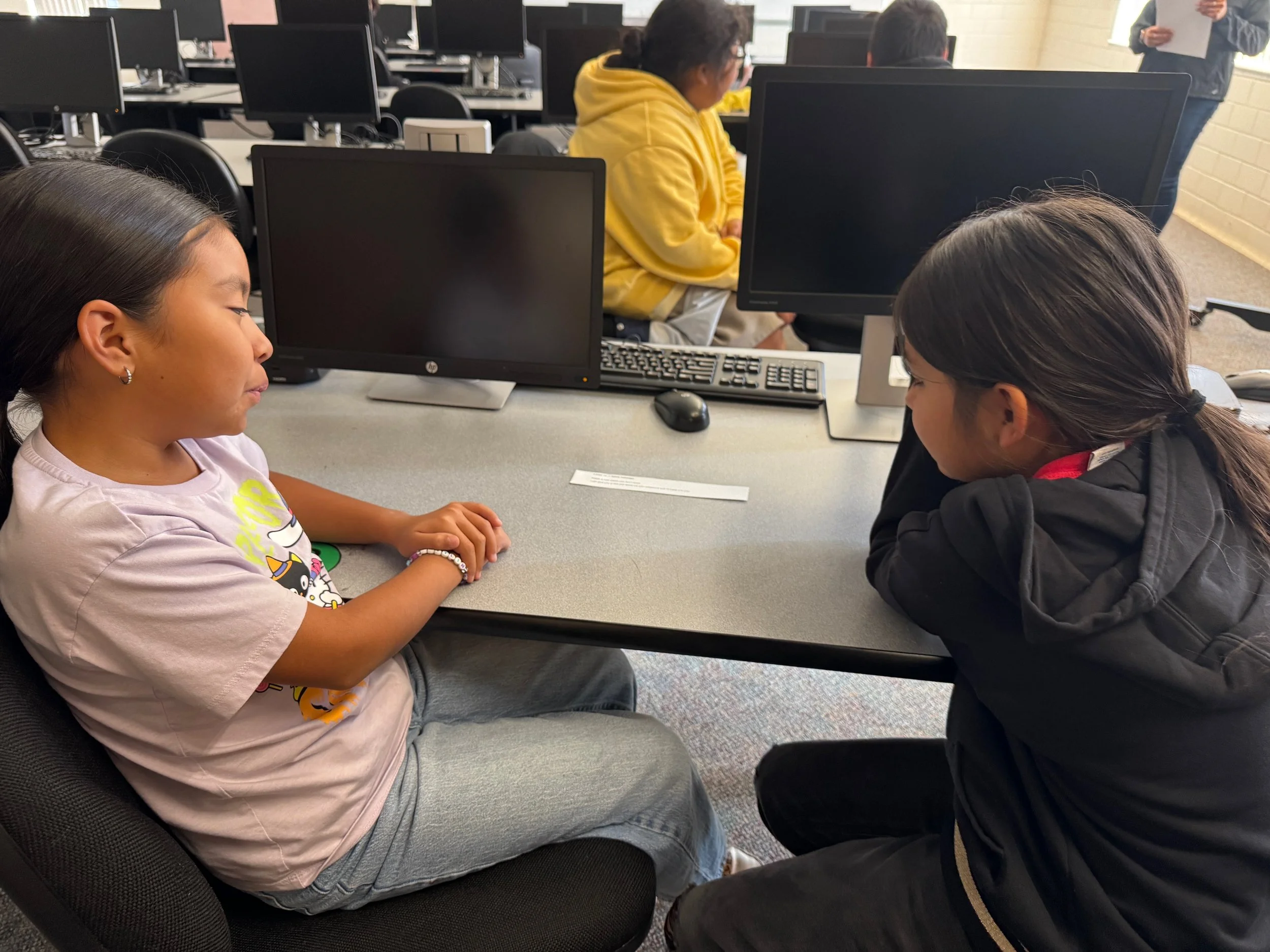
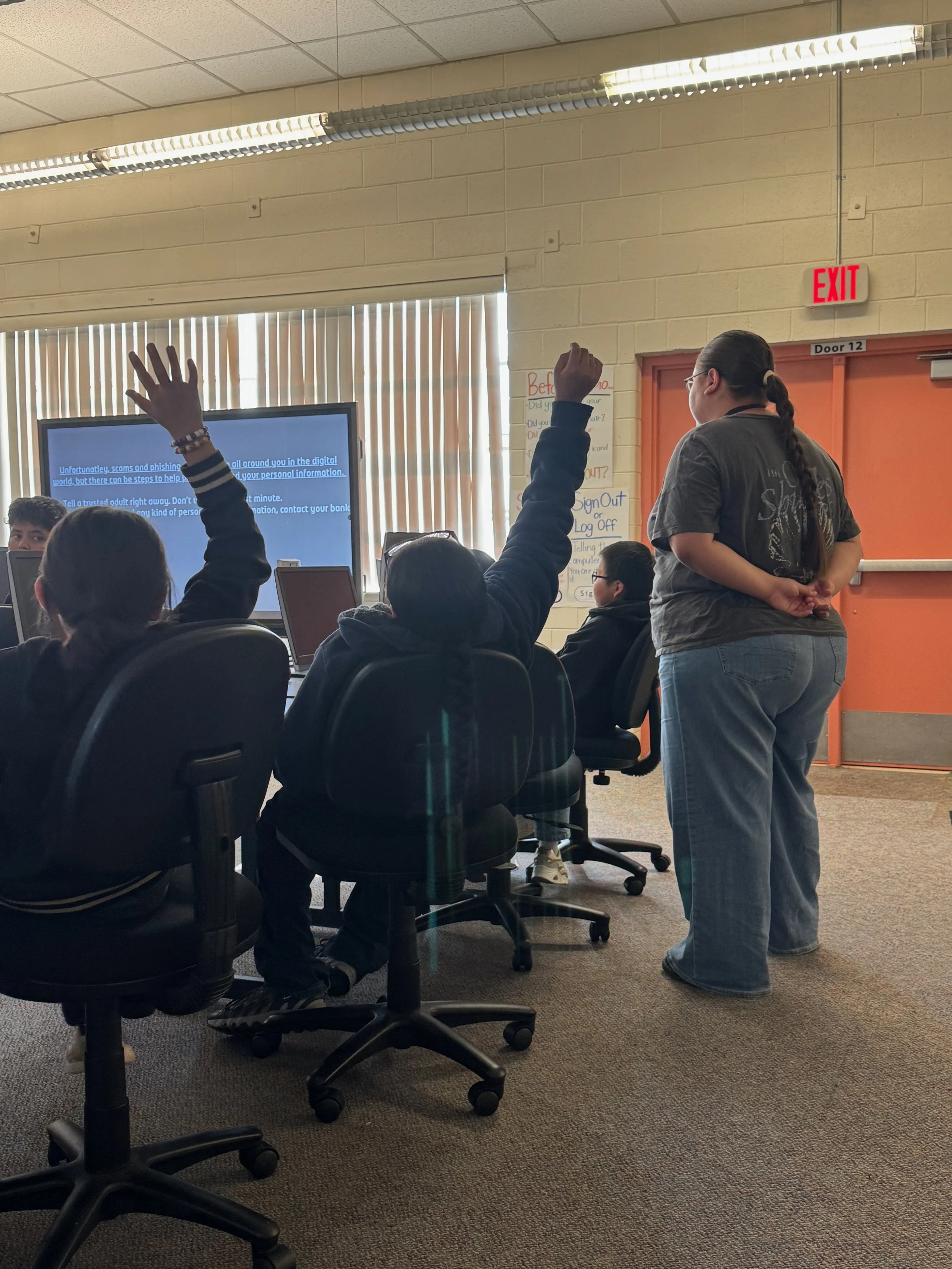
Mesa Elementary students explore online safety and cybersecurity.
Chinle Elementary - Creativity Meets Binary Code
At Chinle Elementary in Arizona, another new SkoCode school, Tristin Natay introduces computer science to kindergarten through sixth-grade students through hands-on activities. During the visit, fourth and fifth graders explored pixels by designing Halloween pictures on grids. Then they translated their images into binary representations on the backs of their papers, discovering a connection between art and the way computers represent images. For students who enjoy drawing, a creative project can become an unexpected doorway into computational thinking.
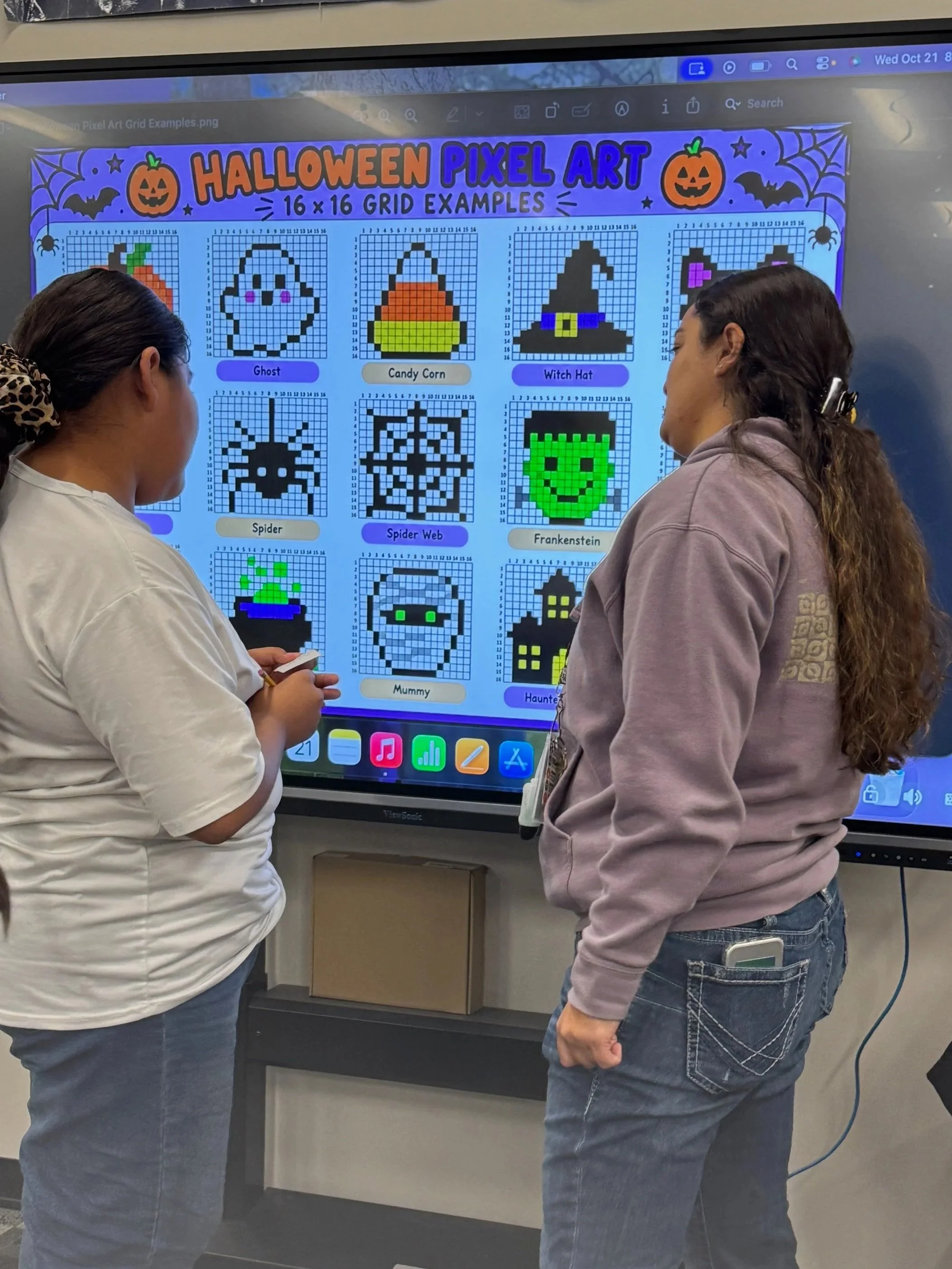
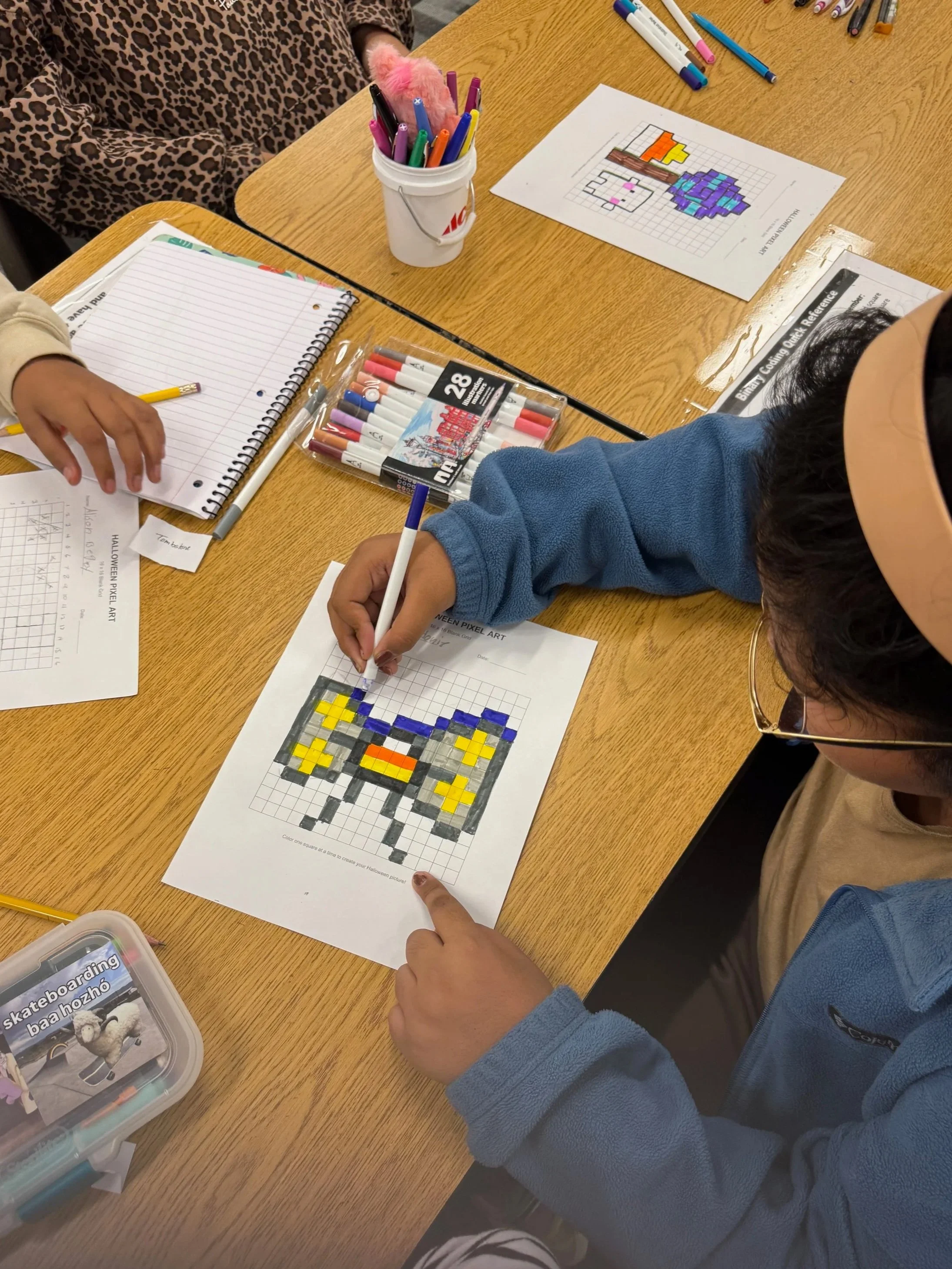
Pixel art connects creativity and binary code.
Maȟpíya Lúta Owáyawa - From Data to Robotics
At Maȟpíya Lúta in Pine Ridge, South Dakota, new SkoCode educator Halona Brewer teaches two classes; Introduction to Computer Science and Robotics. In their computer science class students explored data visualization and how graphs can reveal patterns and trends. Halona began with a comparison showing growth in the number of fast-food restaurants alongside a decline in the number of teenagers working in them. Students discussed what the trends might mean, then worked in pairs to select and interpret other graphs. In Robotics, partners assembled cars from STEM kits, connecting battery packs, motors, and gears. Across both classes, students were practicing skills used by computer scientists and engineers: questioning evidence, collaborating, constructing systems, and working through problems together.
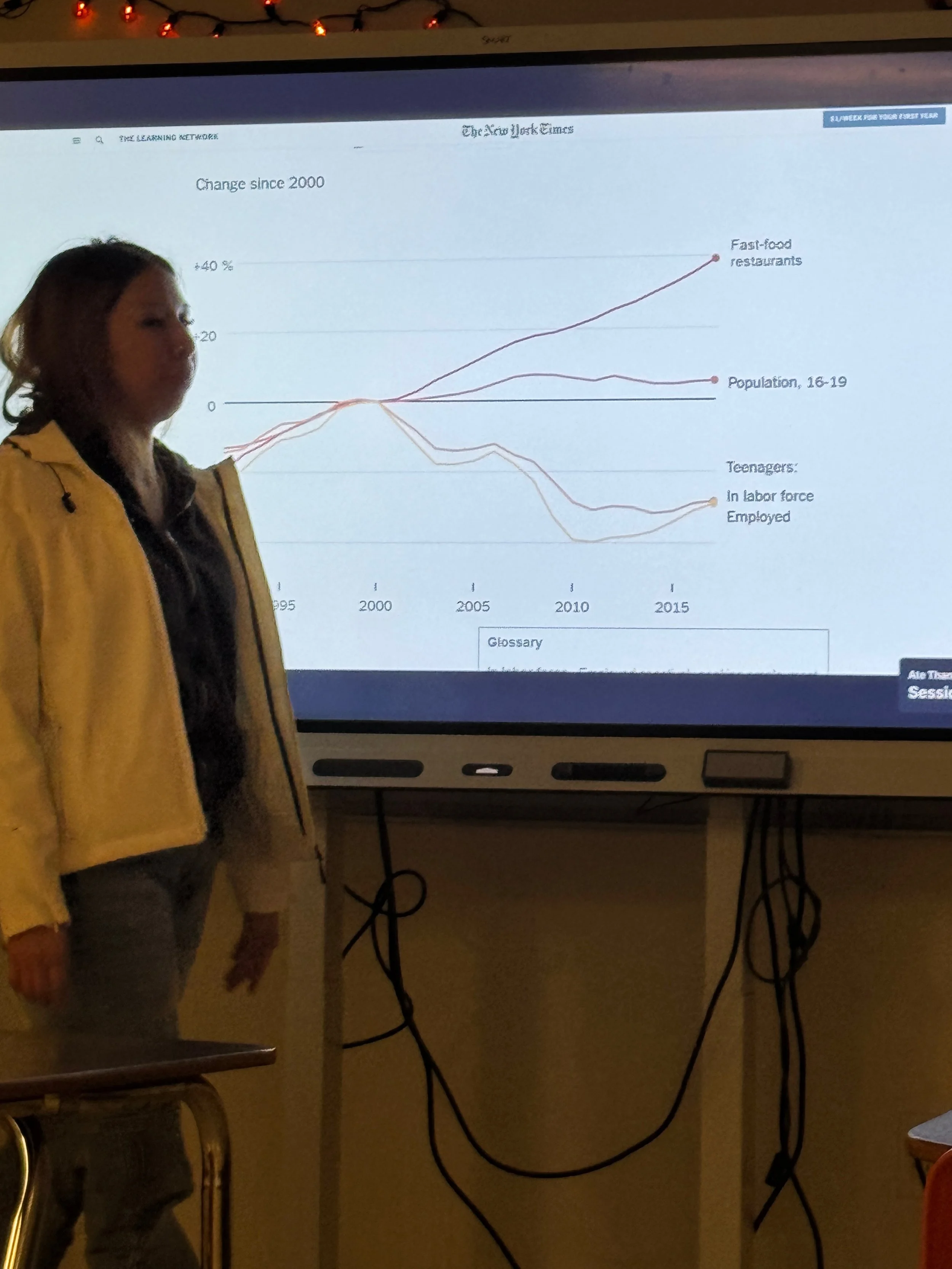
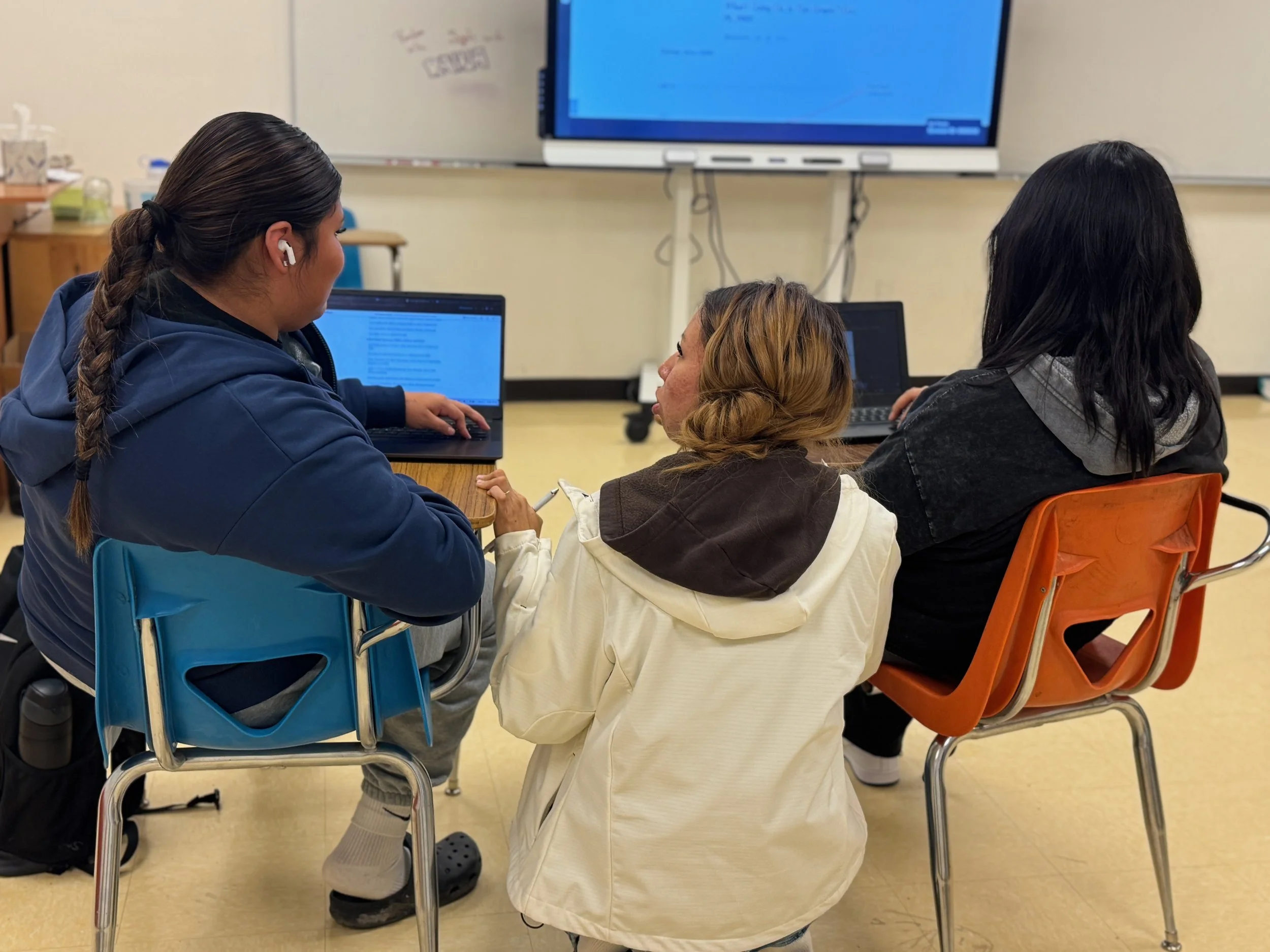
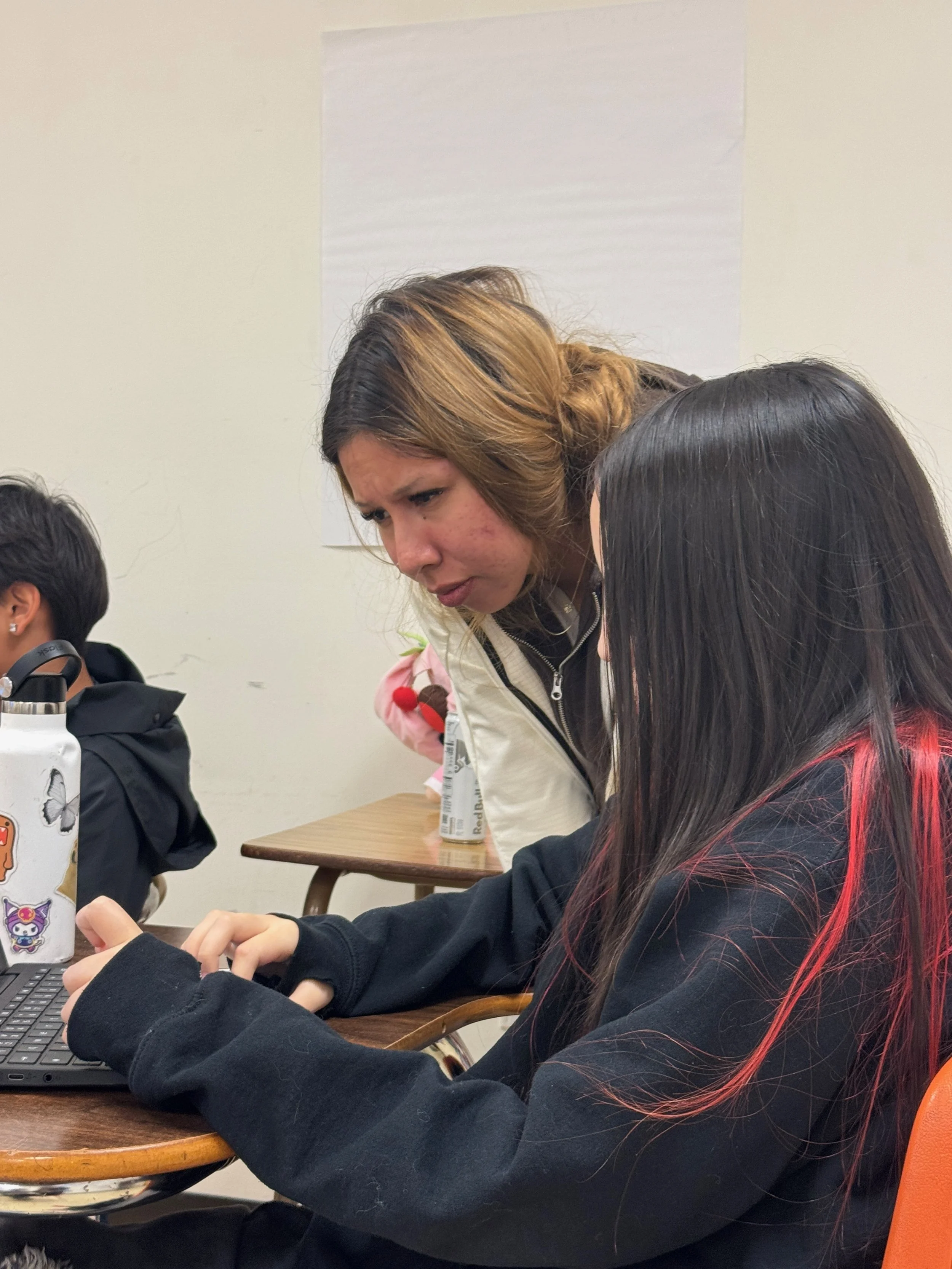
Students investigate data visualization and technology.
Oceti Sakowin Community Academy - Growing with SkoCode
In its second SkoCode year, Oceti Sakowin Community Academy in Rapids City, South Dakota has grown to serve kindergarten through fourth grade. New SkoCode educator Stella Loud Hawk teaches computer science and AI to every student twice weekly. During the visit, kindergarteners and first graders practiced keyboarding with Typing.com before exploring PBS Kids activities. Next, younger students will begin block-based programming in ScratchJr, while third and fourth graders will create stories using Scratch. Stella also brings technology and seasonal fun, including pumpkin carving, to the school's new after-school program. These early lessons are foundations students can build on as they move from keyboard familiarity to creating programs and telling their own stories.
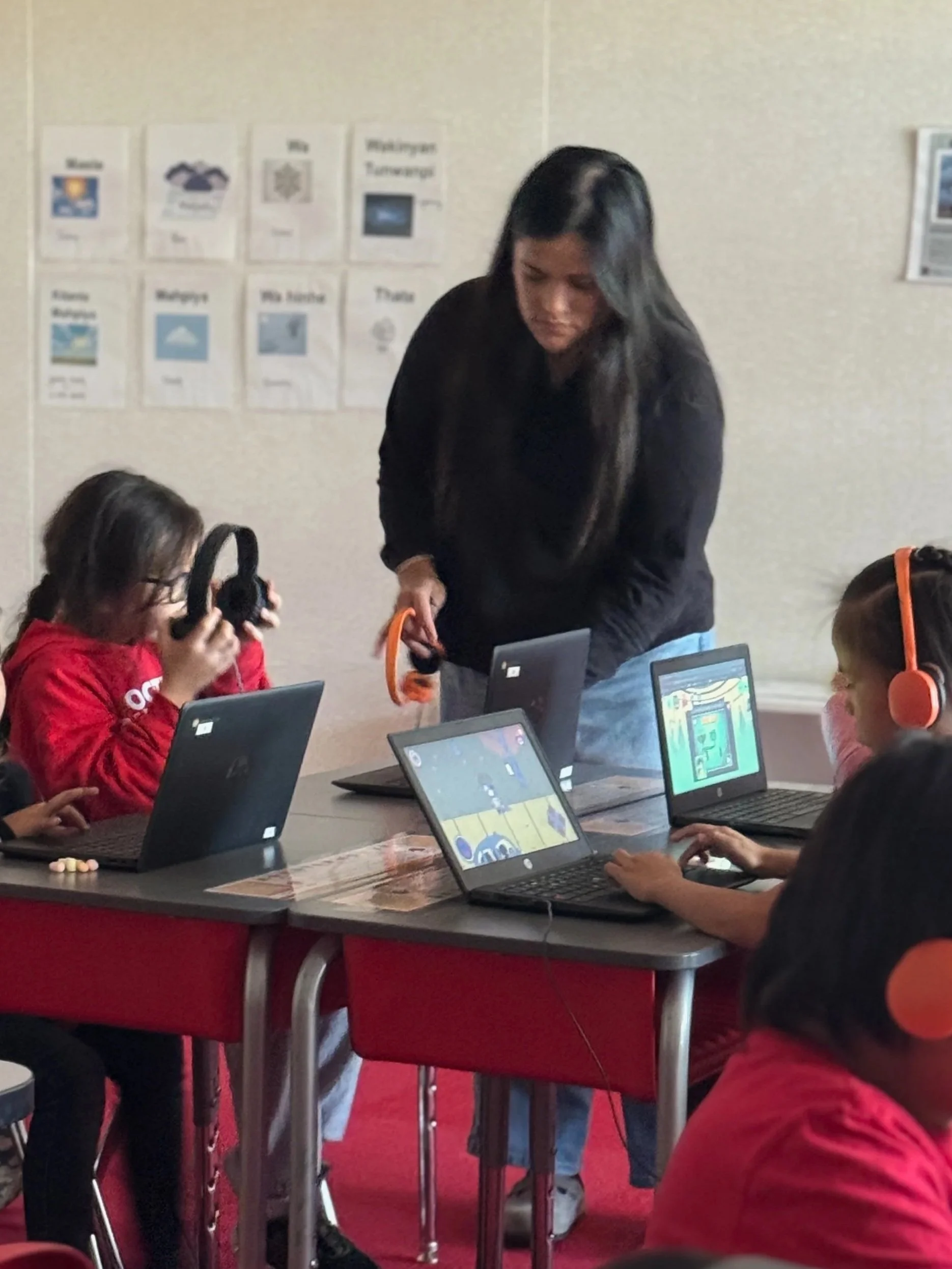
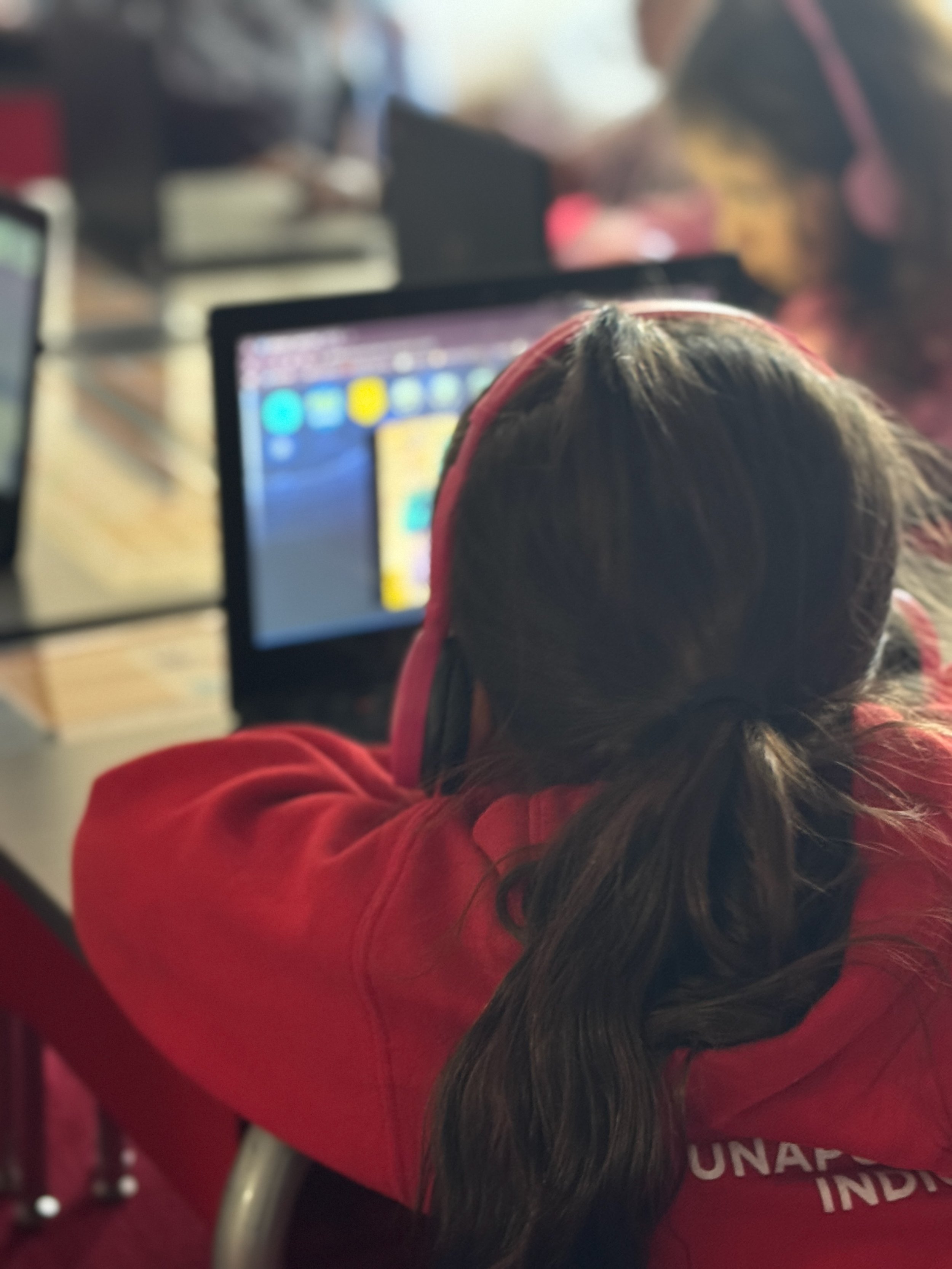
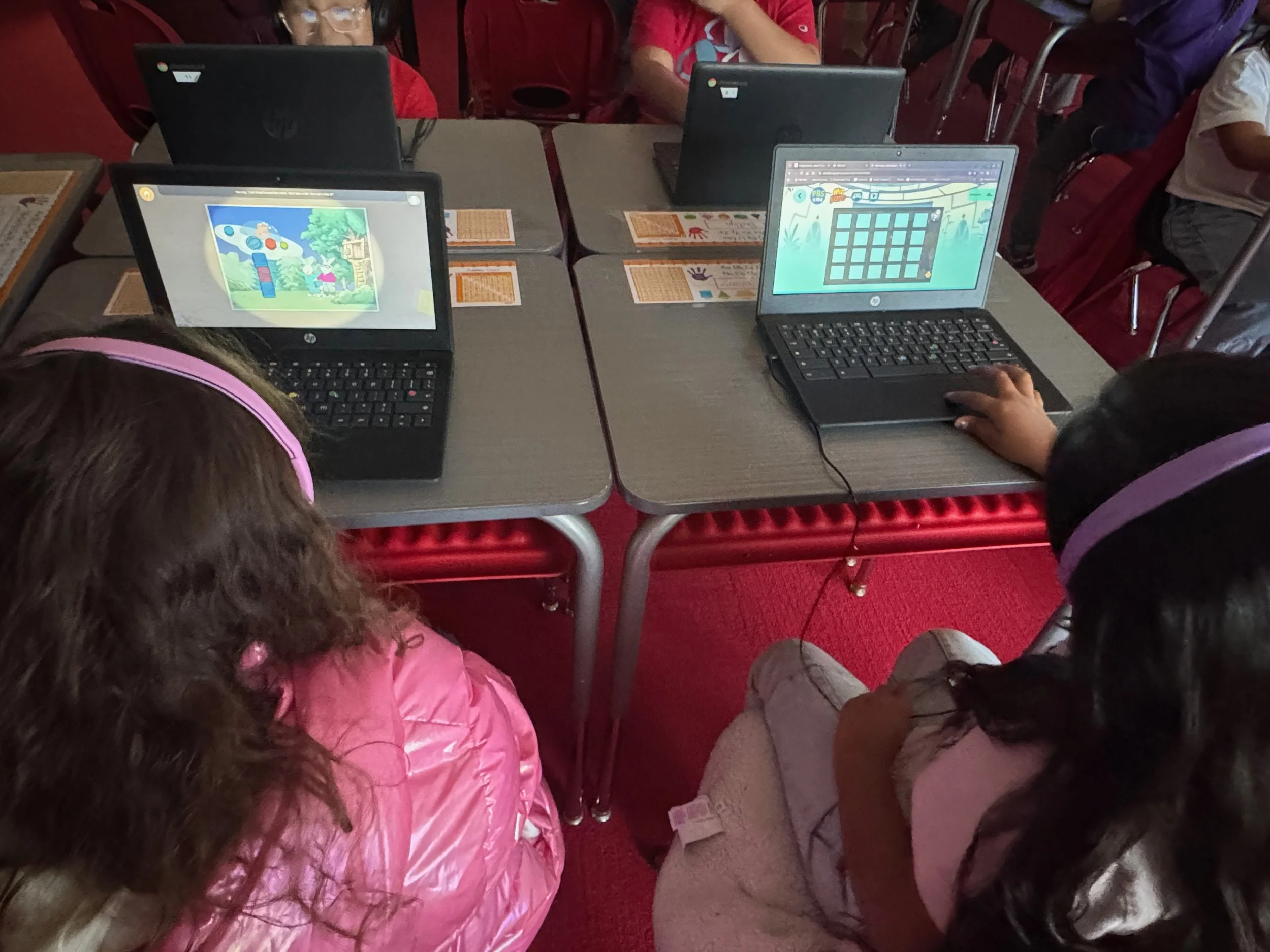
Learning the foundations of technology at Oceti Sakowin
Different Classrooms, Shared Possibilities
Across these four schools, students are discovering that computer science is not simply about learning to use technology. It is about asking questions, thinking creatively, solving problems, and discovering new possibilities. Behind each experience is a dedicated SkoCode educator creating opportunities for students to explore, experiment, and grow. From a kindergartener developing early technology skills to a high school student building a robot, each experience is another step toward making computer science a meaningful part of students’ education. These classrooms also show what strong partnerships can make possible. By working alongside Indigenous serving schools and communities, SkoCode is bringing computer science learning directly to students, meeting them where they are and building opportunities that can grow with them. The impact begins with a lesson, but the possibilities extend far beyond the classroom.
